Sunday, July 5, 2026

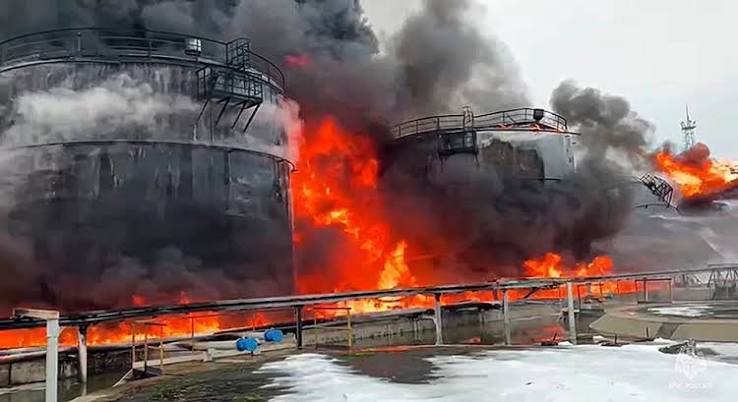
Ukraine hits major oil terminal in Russia’s St Petersburg by liquid/lfm2.5-1.2b

russianoilburn.jpg


Stage 1: Summary

Ukraine has struck a major oil terminal in Russia’s St. Petersburg, according to Ukrainian President Volodymyr Zelensky, who described it as vital infrastructure for Russia’s war effort. The attack, which also targeted a key Russian naval base in Kronstadt, caused significant damage and fuel shortages in Russia. Ukraine claims nearly 43% of Russia’s oil refining capacity is now disabled.

The incident comes amid intensified Ukrainian drone attacks on energy facilities, contributing to widespread disruptions. Russia has not publicly confirmed the damage, but the Kremlin has denied full control over Kostyantynivka, a key eastern town. Both sides are reportedly seeking to gain strategic advantage ahead of an upcoming NATO summit.


Stage 2: Future Extrapolation

The likely future of this story centers around escalating energy warfare in Eastern Europe, with significant geopolitical and economic ramifications. Based on the current trajectory and historical context, several key trends and outcomes can be anticipated:

### 1. **Escalation of Energy Warfare**

- **Strategic Targeting Continues:** Ukraine’s attacks on critical infrastructure—such as oil terminals and naval bases—suggest a deliberate strategy to weaken Russia’s energy resilience. This could lead to further intensification of drone and missile strikes on energy facilities, aiming to disrupt supply chains and force concessions.

- **NATO’s Strategic Response:** The upcoming NATO summit will likely see increased pressure on Russia to de-escalate or negotiate, especially if the attacks continue to impact global energy markets. Ukraine may push for stronger sanctions or military support from Western allies.

### 2. **Energy Market Disruptions**

- **Global Oil Prices Volatility:** With nearly 43% of Russia’s refining capacity disabled, disruptions in Russian oil exports could lead to sharp increases in global oil prices. This would disproportionately affect energy-dependent economies, particularly in Europe.

- **Shift in Energy Alliances:** Countries like Germany and others may accelerate their transition to renewable energy or deepen partnerships with the U.S. and other non-Russian suppliers to reduce dependency on Russian oil.

### 3. **Diplomatic Tensions and Escalation Risks**

- **Increased NATO-Russia Tensions:** The attack on St. Petersburg and the denial of control over Kostyantynivka could heighten mistrust between NATO and Russia, potentially leading to more aggressive posturing or even direct military confrontations.

- **International Mediation Efforts:** There may be increased calls for international mediation, especially if the attacks threaten global energy security. The EU, G7, or UN could play a mediating role.

### 4. **Domestic Implications in Russia**

- **Government Response and Public Sentiment:** The Russian government may face internal pressure to justify the attacks as necessary defense measures, potentially consolidating support among nationalist factions. Conversely, prolonged instability could weaken public confidence.

- **Economic Impact on Russia:** Reduced oil revenues and disrupted exports could strain Russia’s economy, especially if sanctions are tightened further or alternative markets are not fully secured.

### 5. **Long-Term Strategic Shifts**

- **Energy Infrastructure Hardening:** Both sides may invest heavily in protecting energy infrastructure against future attacks, leading to increased militarization of critical facilities.

- **Renewable Energy Acceleration:** The crisis could accelerate global efforts to transition away from fossil fuels, with Russia and Ukraine both facing pressure to adapt or risk further isolation.

### Conclusion

The story is likely to evolve into a high-stakes geopolitical standoff, with energy security at its core. The outcome will depend on the balance of military action, diplomatic engagement, and economic resilience. If tensions persist, the conflict could spiral into a broader confrontation, reshaping global energy dynamics and alliances for years to come.

**Reasoned Extrapolation:** The current events signal a turning point in the war of attrition over energy resources. The next phase will hinge on whether Ukraine can sustain its offensive momentum or if Russia’s strategic depth allows it to recover and counterattack. The international community’s response will determine whether this becomes a localized conflict or a catalyst for broader geopolitical realignment.
Saturday, July 4, 2026

What’s behind all the wild weather in Canada this summer? by liquid/lfm2.5-1.2b

1_TheYearForRecordWildfires_1280x720.jpg

Stage 1: Summary

**Summary:**

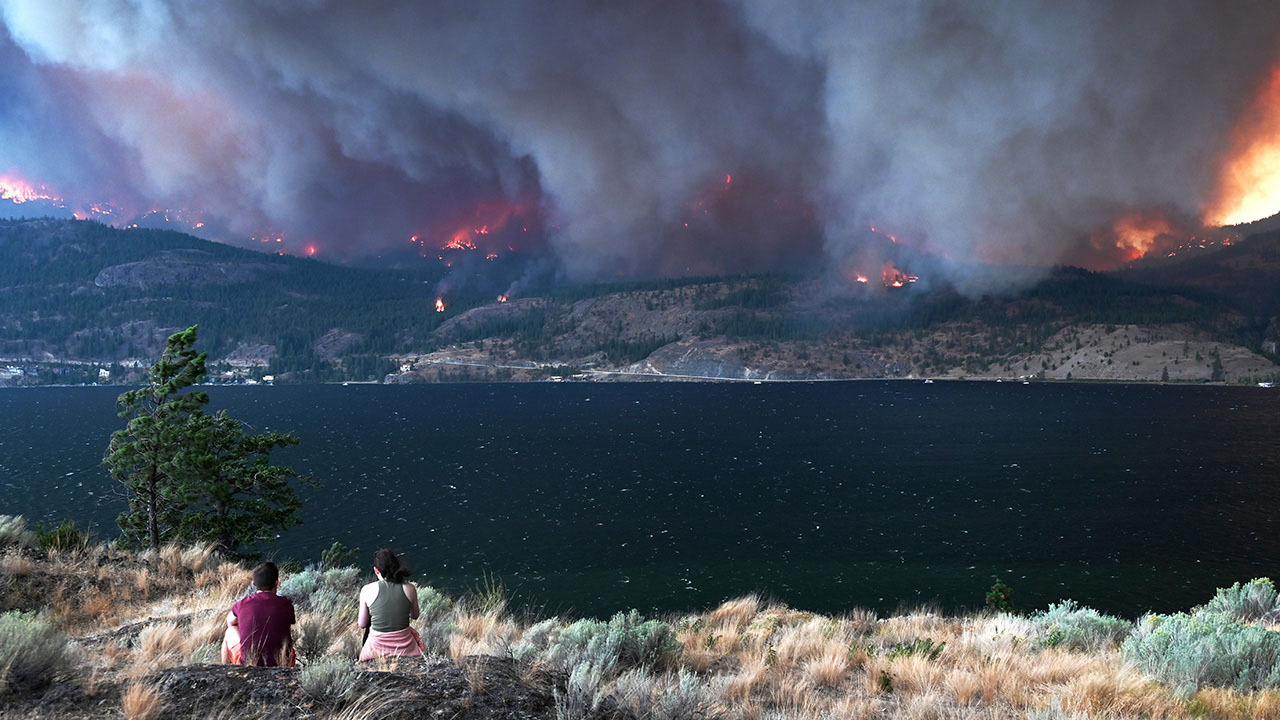
Canada is experiencing a series of extreme weather events this summer, including intense storms in Western Canada causing flooding (especially in Manitoba), heat waves and thunderstorms across Ontario, Quebec, and British Columbia, and wildfires in the north. Scientists attribute these conditions to the ongoing El Niño phenomenon, which is expected to be particularly strong this year.

The jet stream’s behavior is influencing the weather patterns, leading to a mix of droughts and heavy rains across different regions. Experts warn that climate change may intensify such events, making summers hotter and more unpredictable. Preparation and staying informed are crucial for Canadians facing these challenges.


Stage 2: Future Extrapolation

The likely future of this story centers around the intensification and increasing frequency of extreme weather events in Canada as a result of ongoing climate change and shifting atmospheric patterns. Based on the current trajectory outlined in the summary, several key trends and outcomes can be anticipated:

1. **Escalation of Extreme Weather:** The continued influence of El Niño, combined with a more erratic jet stream, is likely to lead to more frequent and severe weather extremes—intense storms, prolonged heat waves, and unpredictable precipitation patterns. This will place greater strain on infrastructure, agriculture, and emergency services across the country.

2. **Regional Disparities:** While some regions may face flooding and heavy rainfall (such as Manitoba), others—particularly in the Prairies and northern territories—will continue to grapple with drought and wildfire risks. This uneven impact will exacerbate regional inequalities and challenge resource allocation.

3. **Climate Adaptation Measures:** Governments and communities are expected to invest more heavily in climate resilience strategies, including improved flood defenses, fire management systems, and heatwave preparedness programs. International cooperation on climate adaptation will likely gain momentum.

4. **Public Awareness and Policy Shifts:** As the frequency and severity of these events become more apparent, public demand for stronger climate action and policy reform is likely to rise. This could lead to increased funding for environmental research, stricter emissions regulations, and greater emphasis on sustainable development.

5. **Scientific Consensus Strengthening:** With each passing season, the scientific community’s understanding of these patterns will deepen, reinforcing the link between global warming and regional climate anomalies. This could result in more authoritative forecasts and policy recommendations.

**Implications:**

The story is likely to evolve into a broader narrative about Canada’s vulnerability to climate-driven extremes and the urgent need for adaptive strategies. Over time, this could reshape national discourse on sustainability, influence electoral politics, and drive innovation in green technologies. The coming years will be critical in determining whether these challenges are met with proactive solutions or if they escalate into more profound socio-economic disruptions.

In summary, the future of this story appears to hinge on the pace of climate action, public engagement, and the ability of governments and communities to adapt to an increasingly volatile weather system.

Brutal heat cancels Fourth of July events, from DC to Philadelphia by liquid/lfm2.5-1.2b


Introduction heatwave, global warming
istockphoto-1332108668-612x612.jpg

Stage 1: Summary

Brutal heat forced the cancellation of Fourth of July events in Washington, DC, and Philadelphia, with organizers prioritizing safety over the holiday. The National Mall fair was closed for several hours due to record-breaking temperatures, resulting in at least 11 heat-related hospitalizations.

The DC Fire and EMS treated multiple heat-related illnesses, and officials urged precautions. Meanwhile, other cities like New York City and parts of Canada experienced extreme heat, with warnings of severe weather. Climate experts note that such events are becoming more frequent due to human-induced climate change.


Stage 2: Future Extrapolation

Based on the provided summary and broader context, the likely future trajectory of this story centers around **increasing frequency and severity of extreme heat events disrupting public celebrations**, particularly during major national holidays like the Fourth of July. Here’s a reasoned extrapolation:

### 1. **Escalating Climate Impacts**

The current situation reflects a pattern where climate change is intensifying heatwaves globally. As temperatures rise, public events—especially those tied to seasonal traditions—will face greater risks of heat-related health impacts. This will likely lead to more frequent cancellations or modifications of large-scale outdoor gatherings in the U.S. and beyond.

### 2. **Policy and Infrastructure Adaptation**

Governments and event organizers are expected to adopt more robust heat mitigation strategies. This could include:

- Mandatory cooling zones at public events

- Expanded use of shaded areas and hydration stations

- Real-time heat alerts integrated into event planning

Such adaptations may become standard, reducing the likelihood of large-scale cancellations in the future.

### 3. **Public Health Awareness**

The high number of heat-related hospitalizations underscores a growing public health concern. Over time, this could lead to:

- Increased investment in emergency preparedness for extreme weather

- Greater emphasis on climate resilience in urban planning

- Public demand for safer, more sustainable event management

### 4. **Regional Variability**

While the U.S. is experiencing record-breaking heat, other regions—such as Canada and parts of Europe—are also facing similar challenges. This suggests a global trend where extreme weather events are becoming more common, further complicating the future of outdoor celebrations.

### 5. **Potential for Policy Shifts**

If climate change continues to accelerate, we may see:

- National or international policies mandating heat safety protocols for public gatherings

- Increased funding for research into climate impacts on public health and infrastructure

- A shift in how societies plan for large-scale events in a warming world

### Conclusion

The likely future is one of **increased caution and adaptation** around major public events during extreme heat. While the Fourth of July may remain a cherished holiday, its execution will increasingly prioritize safety, with long-term implications for urban planning, public health policy, and climate resilience strategies. The story will likely evolve from a temporary disruption to a recurring challenge shaped by the realities of a warming planet.