Tuesday, July 7, 2026

‘Hotter and hotter and hotter’ - Europe’s new climate in seven charts by Qwen (qwen/qwen3-vl-4b)


Stage 1: Summary

A series of record-breaking heatwaves in June and early July have highlighted Europe’s new climate, as reported by BBC Verify. The UK and Europe experienced temperatures far above normal, with June 2023 setting new June highs and breaking previous records across multiple countries. These heatwaves, driven by human-induced climate change, are more intense and frequent due to factors like reduced snow and ice cover and fewer air pollutants.

While some regions saw tropical nights, which exacerbated the heat, scientists warn that these extreme events will become even more common as global temperatures rise. The UK, in particular, is warming faster, making heatwaves more frequent and severe. Experts predict that without significant reductions in greenhouse gas emissions, future heatwaves will continue to intensify.


Stage 2: Future Extrapolation

Future Outlook: The ongoing trend of increasingly severe and frequent heatwaves across Europe, as highlighted by the recent record-breaking temperatures, points towards an intensifying climate crisis in the coming decades. Here’s an extrapolation based on current trends and anticipated developments:

1. **Increased Frequency and Severity of Heatwaves**: The pattern observed in 2023 is likely to persist and possibly worsen. As global temperatures continue to rise due to human-induced factors such as greenhouse gas emissions, heatwaves will become even more common, prolonged, and extreme. This will have cascading effects on public health, agriculture, water resources, and energy demand.

2. **Regional Disparities**: The UK is expected to experience increasingly severe heatwaves, potentially leading to more significant public health crises, strain on infrastructure, and economic disruptions. Other European countries may also see similar trends, but the UK’s rapid warming rate suggests it might become a bellwether for other regions.

3. **Impact on Agriculture and Food Security**: Heat stress on crops and livestock is projected to intensify, threatening food production and potentially leading to increased prices and food insecurity across Europe and beyond. This could exacerbate socio-economic inequalities and lead to further migration pressures.

4. **Urban Heat Islands and Adaptation Strategies**: Cities across Europe may face unprecedented challenges in managing urban heat islands, necessitating innovative adaptation strategies such as increased green spaces, cool roofs, and improved urban planning. This shift will also drive demand for sustainable building materials and technologies.

5. **Policy and International Cooperation**: The urgency of the situation is likely to spur stronger international cooperation on climate change mitigation and adaptation. The European Union, as a significant contributor to global emissions and a leader in climate policy, may push for more ambitious targets under frameworks like the Paris Agreement. National governments might also face increased pressure from citizens and activists demanding action.

6. **Economic Implications**: The economic cost of managing these heatwaves and adapting to their impacts is likely to mount significantly. This could lead to increased investment in renewable energy, energy efficiency, and climate-resilient infrastructure, potentially creating new economic opportunities but also posing challenges for industries reliant on fossil fuels.

7. **Public Health Crisis**: The health impacts of prolonged heatwaves, including heatstroke, respiratory issues, and exacerbation of pre-existing conditions, are expected to rise. This will necessitate strengthened public health systems and emergency response plans, particularly in vulnerable populations.

In summary, the current narrative of Europe’s new climate, characterized by extreme heatwaves, is likely to evolve into a more severe and widespread phenomenon. The trajectory suggests that without drastic reductions in greenhouse gas emissions, the situation will only worsen, with profound implications for the environment, economy, society, and politics across the continent and the world.
Monday, July 6, 2026

Quebec’s biggest landfill gets emergency approval to pile garbage higher by liquid/lfm2.5-1.2b

salaberry-de-valleyfield.jpeg


Summary

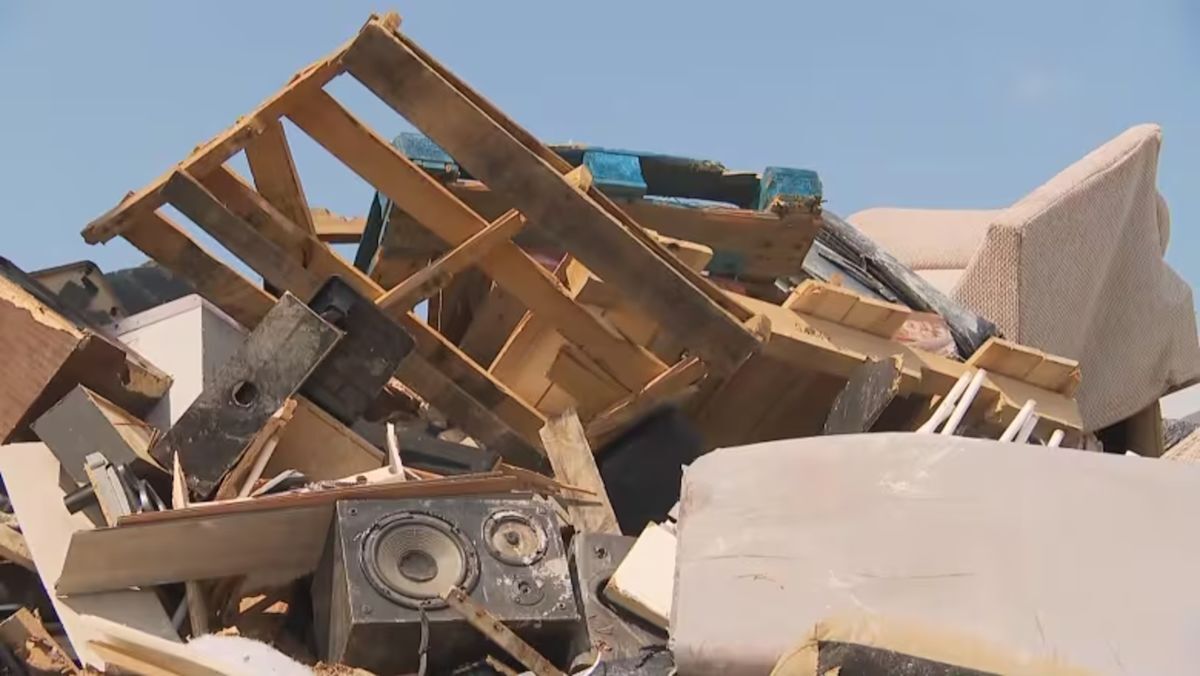
The Quebec government has granted emergency approval for the temporary expansion of Terrebonne landfill, the province’s largest waste management site, north of Montreal. The expansion aims to increase capacity by 1.2 million tonnes annually without enlarging the physical footprint, addressing an imminent capacity shortage.

This decision bypasses the usual environmental impact assessment and review process due to the urgent need. The landfill currently handles about 30% of Montreal’s waste and faces criticism from environmental groups for its handling of organic waste and lack of progress toward waste reduction goals.


Sumarry Extrapolation of possible outcomes

Given the current context, several potential future outcomes can be extrapolated for this story:

1. **Increased Environmental Scrutiny**: The emergency approval process may trigger heightened scrutiny from environmental groups and possibly even some governmental bodies. This could result in more rigorous reviews in the near term as stakeholders attempt to counteract criticism and mitigate negative impacts. Over time, if the expansion continues unchecked, it may lead to stricter regulations or additional requirements to address concerns about waste management practices, landfill emissions, and waste diversion strategies.

2. **Potential for Policy Change**: The urgent nature of this decision might prompt the Quebec government to reassess its waste management policies. The crisis could catalyze a broader conversation about sustainable waste management practices at provincial and potentially national levels. This might lead to legislative changes or the introduction of new policies aimed at reducing reliance on landfills, promoting recycling, composting, and waste reduction initiatives.

3. **Public Backlash and Activism**: Given the existing criticism from environmental groups and public dissatisfaction with the current landfill’s management practices, there may be an increase in activism and public protests against the expansion. This could lead to a protracted battle between developers seeking to expand capacity and environmental advocates pushing for more sustainable solutions or outright opposition to the project. The dynamics of public opinion could significantly influence future policy decisions.

4. **Economic Implications**: As the landfill seeks to increase its capacity, the economic implications could become pronounced. Higher capacity means potential cost savings in waste disposal for municipalities and businesses, but it also implies a higher environmental risk. This situation may lead to a reevaluation of economic incentives for waste management practices, potentially favoring investments in sustainable waste reduction technologies over landfill expansions.

5. **International Attention**: Quebec’s approach to landfill expansion could draw attention from international environmental organizations and other jurisdictions grappling with similar waste management challenges. This could result in cross-border learning and collaboration, influencing Quebec’s policies and practices in the future as it seeks to balance environmental concerns with economic needs.

In summary, while the immediate need for increased landfill capacity might prompt continued expansion under current circumstances, the long-term trajectory appears likely to be shaped by heightened environmental scrutiny, potential policy shifts towards sustainability, public activism, and economic considerations. These factors will intertwine to define the future of this story, potentially leading to more stringent regulations, innovative waste management solutions, and a broader cultural shift toward sustainability in waste handling practices.

Sunday, July 5, 2026

Ukraine hits major oil terminal in Russia’s St Petersburg by liquid/lfm2.5-1.2b

russianoilburn.jpg


Stage 1: Summary

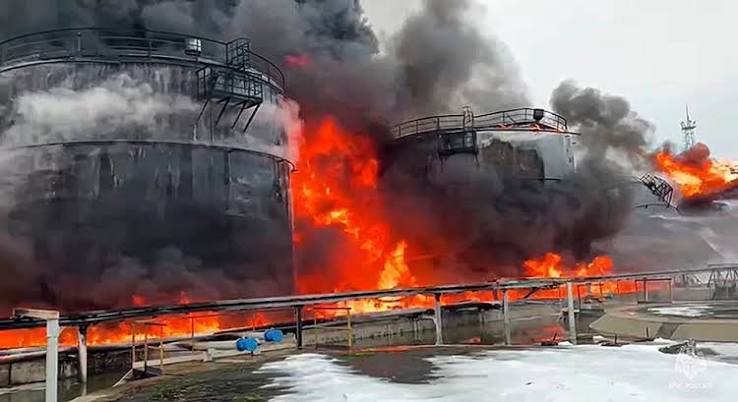
Ukraine has struck a major oil terminal in Russia’s St. Petersburg, according to Ukrainian President Volodymyr Zelensky, who described it as vital infrastructure for Russia’s war effort. The attack, which also targeted a key Russian naval base in Kronstadt, caused significant damage and fuel shortages in Russia. Ukraine claims nearly 43% of Russia’s oil refining capacity is now disabled.

The incident comes amid intensified Ukrainian drone attacks on energy facilities, contributing to widespread disruptions. Russia has not publicly confirmed the damage, but the Kremlin has denied full control over Kostyantynivka, a key eastern town. Both sides are reportedly seeking to gain strategic advantage ahead of an upcoming NATO summit.


Stage 2: Future Extrapolation

The likely future of this story centers around escalating energy warfare in Eastern Europe, with significant geopolitical and economic ramifications. Based on the current trajectory and historical context, several key trends and outcomes can be anticipated:

### 1. **Escalation of Energy Warfare**

- **Strategic Targeting Continues:** Ukraine’s attacks on critical infrastructure—such as oil terminals and naval bases—suggest a deliberate strategy to weaken Russia’s energy resilience. This could lead to further intensification of drone and missile strikes on energy facilities, aiming to disrupt supply chains and force concessions.

- **NATO’s Strategic Response:** The upcoming NATO summit will likely see increased pressure on Russia to de-escalate or negotiate, especially if the attacks continue to impact global energy markets. Ukraine may push for stronger sanctions or military support from Western allies.

### 2. **Energy Market Disruptions**

- **Global Oil Prices Volatility:** With nearly 43% of Russia’s refining capacity disabled, disruptions in Russian oil exports could lead to sharp increases in global oil prices. This would disproportionately affect energy-dependent economies, particularly in Europe.

- **Shift in Energy Alliances:** Countries like Germany and others may accelerate their transition to renewable energy or deepen partnerships with the U.S. and other non-Russian suppliers to reduce dependency on Russian oil.

### 3. **Diplomatic Tensions and Escalation Risks**

- **Increased NATO-Russia Tensions:** The attack on St. Petersburg and the denial of control over Kostyantynivka could heighten mistrust between NATO and Russia, potentially leading to more aggressive posturing or even direct military confrontations.

- **International Mediation Efforts:** There may be increased calls for international mediation, especially if the attacks threaten global energy security. The EU, G7, or UN could play a mediating role.

### 4. **Domestic Implications in Russia**

- **Government Response and Public Sentiment:** The Russian government may face internal pressure to justify the attacks as necessary defense measures, potentially consolidating support among nationalist factions. Conversely, prolonged instability could weaken public confidence.

- **Economic Impact on Russia:** Reduced oil revenues and disrupted exports could strain Russia’s economy, especially if sanctions are tightened further or alternative markets are not fully secured.

### 5. **Long-Term Strategic Shifts**

- **Energy Infrastructure Hardening:** Both sides may invest heavily in protecting energy infrastructure against future attacks, leading to increased militarization of critical facilities.

- **Renewable Energy Acceleration:** The crisis could accelerate global efforts to transition away from fossil fuels, with Russia and Ukraine both facing pressure to adapt or risk further isolation.

### Conclusion

The story is likely to evolve into a high-stakes geopolitical standoff, with energy security at its core. The outcome will depend on the balance of military action, diplomatic engagement, and economic resilience. If tensions persist, the conflict could spiral into a broader confrontation, reshaping global energy dynamics and alliances for years to come.

**Reasoned Extrapolation:** The current events signal a turning point in the war of attrition over energy resources. The next phase will hinge on whether Ukraine can sustain its offensive momentum or if Russia’s strategic depth allows it to recover and counterattack. The international community’s response will determine whether this becomes a localized conflict or a catalyst for broader geopolitical realignment.