Stage 1: Summary
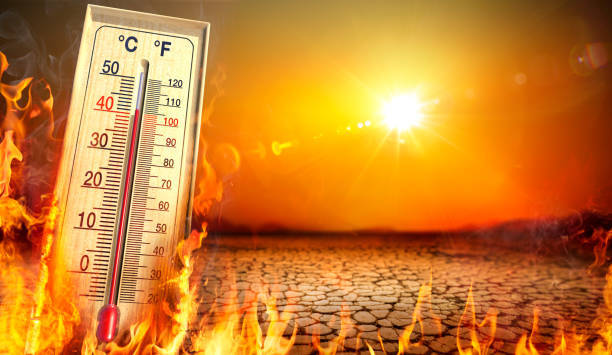
A series of record-breaking heatwaves in June and early July have highlighted Europe’s new climate, as reported by BBC Verify. The UK and Europe experienced temperatures far above normal, with June 2023 setting new June highs and breaking previous records across multiple countries. These heatwaves, driven by human-induced climate change, are more intense and frequent due to factors like reduced snow and ice cover and fewer air pollutants.
While some regions saw tropical nights, which exacerbated the heat, scientists warn that these extreme events will become even more common as global temperatures rise. The UK, in particular, is warming faster, making heatwaves more frequent and severe. Experts predict that without significant reductions in greenhouse gas emissions, future heatwaves will continue to intensify.
Stage 2: Future Extrapolation
Future Outlook: The ongoing trend of increasingly severe and frequent heatwaves across Europe, as highlighted by the recent record-breaking temperatures, points towards an intensifying climate crisis in the coming decades. Here’s an extrapolation based on current trends and anticipated developments:
1. **Increased Frequency and Severity of Heatwaves**: The pattern observed in 2023 is likely to persist and possibly worsen. As global temperatures continue to rise due to human-induced factors such as greenhouse gas emissions, heatwaves will become even more common, prolonged, and extreme. This will have cascading effects on public health, agriculture, water resources, and energy demand.
2. **Regional Disparities**: The UK is expected to experience increasingly severe heatwaves, potentially leading to more significant public health crises, strain on infrastructure, and economic disruptions. Other European countries may also see similar trends, but the UK’s rapid warming rate suggests it might become a bellwether for other regions.
3. **Impact on Agriculture and Food Security**: Heat stress on crops and livestock is projected to intensify, threatening food production and potentially leading to increased prices and food insecurity across Europe and beyond. This could exacerbate socio-economic inequalities and lead to further migration pressures.
4. **Urban Heat Islands and Adaptation Strategies**: Cities across Europe may face unprecedented challenges in managing urban heat islands, necessitating innovative adaptation strategies such as increased green spaces, cool roofs, and improved urban planning. This shift will also drive demand for sustainable building materials and technologies.
5. **Policy and International Cooperation**: The urgency of the situation is likely to spur stronger international cooperation on climate change mitigation and adaptation. The European Union, as a significant contributor to global emissions and a leader in climate policy, may push for more ambitious targets under frameworks like the Paris Agreement. National governments might also face increased pressure from citizens and activists demanding action.
6. **Economic Implications**: The economic cost of managing these heatwaves and adapting to their impacts is likely to mount significantly. This could lead to increased investment in renewable energy, energy efficiency, and climate-resilient infrastructure, potentially creating new economic opportunities but also posing challenges for industries reliant on fossil fuels.
7. **Public Health Crisis**: The health impacts of prolonged heatwaves, including heatstroke, respiratory issues, and exacerbation of pre-existing conditions, are expected to rise. This will necessitate strengthened public health systems and emergency response plans, particularly in vulnerable populations.
In summary, the current narrative of Europe’s new climate, characterized by extreme heatwaves, is likely to evolve into a more severe and widespread phenomenon. The trajectory suggests that without drastic reductions in greenhouse gas emissions, the situation will only worsen, with profound implications for the environment, economy, society, and politics across the continent and the world.