Stage 1: Summary
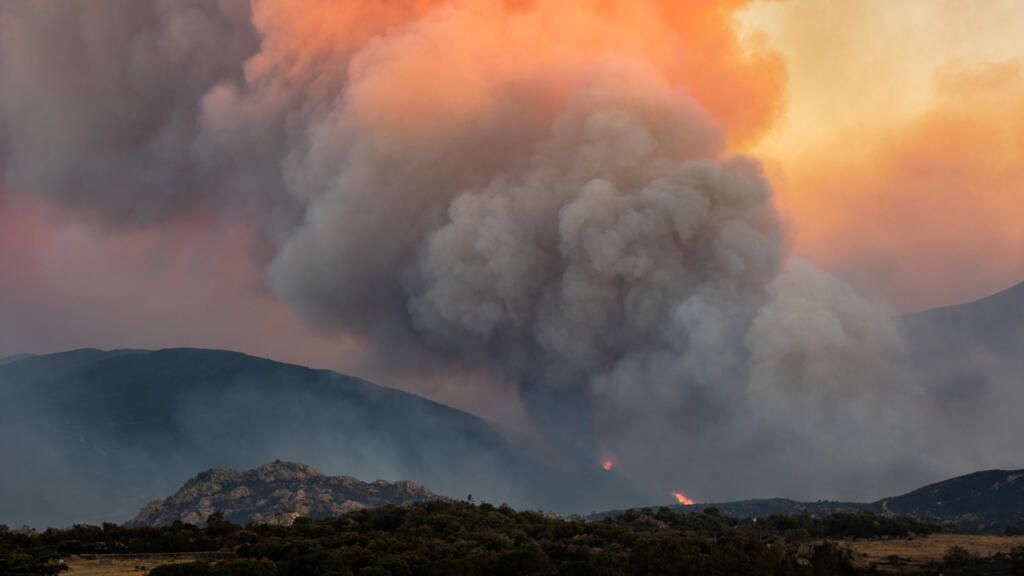
A wildfire in southern France has forced the evacuation of over 10,000 people as temperatures soar during an early summer heatwave. The fire, burning near the French-Spanish border in the Pyrenees, has consumed at least 4,600 hectares and is spreading rapidly due to strong winds. Authorities urge residents to stay away from the Tour de France race finale to allow emergency access. Temperatures are expected to remain high, increasing wildfire risks. This event highlights the growing impact of climate change on Europe’s weather patterns.
Stage 2: Future Extrapolation
Based on the provided summary and broader context of current and historical trends in wildfire activity across Europe, several logical extrapolations can be made regarding the likely future of this story:
### 1. **Increased Frequency and Intensity of Wildfires**
The current event underscores a growing trend of wildfires in southern France and other Mediterranean regions, which are becoming more frequent and intense due to climate change. As global temperatures rise and drought conditions persist, the likelihood of such events increasing will likely grow. This suggests that the story may evolve into a recurring seasonal or annual occurrence rather than an isolated incident.
### 2. **Expanded Geographic Scope**
The Pyrenees region is part of a broader Mediterranean zone increasingly vulnerable to wildfires. Future reports may highlight similar incidents in neighboring countries like Spain, Italy, and even parts of North Africa, indicating a regional shift in wildfire patterns.
### 3. **Enhanced Public Awareness and Policy Response**
As wildfires become more common, governments and international bodies are likely to intensify their focus on fire prevention, early warning systems, and emergency preparedness. This could lead to increased funding for forest management, improved monitoring technologies, and stricter land-use policies in fire-prone areas.
### 4. **Climate Change as a Central Theme**
The summary explicitly ties the event to climate change. In the coming years, this story may become emblematic of the broader narrative around climate-induced environmental crises. It could be referenced in discussions about adaptation strategies, carbon neutrality goals, and international climate agreements.
### 5. **Impact on Tourism and Economy**
The evacuation of 10,000 people during a major event like the Tour de France finale highlights the economic and social costs of wildfires. Future coverage may explore how such incidents affect local economies, tourism, and community resilience, especially in regions reliant on outdoor activities.
### 6. **Technological and Scientific Advancements**
As wildfires become more frequent, there will likely be greater investment in satellite monitoring, AI-based fire prediction models, and rapid response technologies. This could lead to more accurate forecasting and faster containment efforts, reducing the human and environmental toll.
### Conclusion:
The likely future of this story is one of escalating frequency and complexity, with increasing emphasis on climate adaptation, regional cooperation, and technological innovation. The event will serve as a critical case study in understanding how climate change is reshaping Europe’s environmental landscape and prompting urgent policy and societal responses.