Tuesday, July 7, 2026

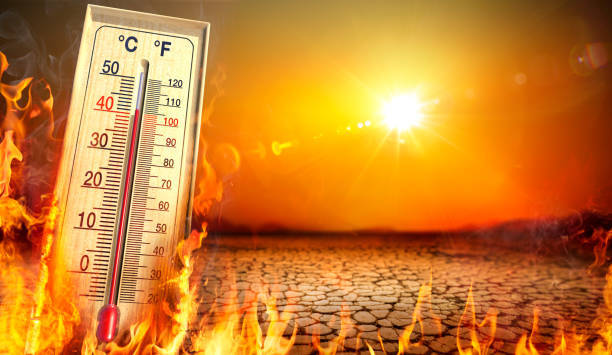
‘Hotter and hotter and hotter’ - Europe’s new climate in seven charts by Qwen (qwen/qwen3-vl-4b)


Stage 1: Summary

A series of record-breaking heatwaves in June and early July have highlighted Europe’s new climate, as reported by BBC Verify. The UK and Europe experienced temperatures far above normal, with June 2023 setting new June highs and breaking previous records across multiple countries. These heatwaves, driven by human-induced climate change, are more intense and frequent due to factors like reduced snow and ice cover and fewer air pollutants.

While some regions saw tropical nights, which exacerbated the heat, scientists warn that these extreme events will become even more common as global temperatures rise. The UK, in particular, is warming faster, making heatwaves more frequent and severe. Experts predict that without significant reductions in greenhouse gas emissions, future heatwaves will continue to intensify.


Stage 2: Future Extrapolation

Future Outlook: The ongoing trend of increasingly severe and frequent heatwaves across Europe, as highlighted by the recent record-breaking temperatures, points towards an intensifying climate crisis in the coming decades. Here’s an extrapolation based on current trends and anticipated developments:

1. **Increased Frequency and Severity of Heatwaves**: The pattern observed in 2023 is likely to persist and possibly worsen. As global temperatures continue to rise due to human-induced factors such as greenhouse gas emissions, heatwaves will become even more common, prolonged, and extreme. This will have cascading effects on public health, agriculture, water resources, and energy demand.

2. **Regional Disparities**: The UK is expected to experience increasingly severe heatwaves, potentially leading to more significant public health crises, strain on infrastructure, and economic disruptions. Other European countries may also see similar trends, but the UK’s rapid warming rate suggests it might become a bellwether for other regions.

3. **Impact on Agriculture and Food Security**: Heat stress on crops and livestock is projected to intensify, threatening food production and potentially leading to increased prices and food insecurity across Europe and beyond. This could exacerbate socio-economic inequalities and lead to further migration pressures.

4. **Urban Heat Islands and Adaptation Strategies**: Cities across Europe may face unprecedented challenges in managing urban heat islands, necessitating innovative adaptation strategies such as increased green spaces, cool roofs, and improved urban planning. This shift will also drive demand for sustainable building materials and technologies.

5. **Policy and International Cooperation**: The urgency of the situation is likely to spur stronger international cooperation on climate change mitigation and adaptation. The European Union, as a significant contributor to global emissions and a leader in climate policy, may push for more ambitious targets under frameworks like the Paris Agreement. National governments might also face increased pressure from citizens and activists demanding action.

6. **Economic Implications**: The economic cost of managing these heatwaves and adapting to their impacts is likely to mount significantly. This could lead to increased investment in renewable energy, energy efficiency, and climate-resilient infrastructure, potentially creating new economic opportunities but also posing challenges for industries reliant on fossil fuels.

7. **Public Health Crisis**: The health impacts of prolonged heatwaves, including heatstroke, respiratory issues, and exacerbation of pre-existing conditions, are expected to rise. This will necessitate strengthened public health systems and emergency response plans, particularly in vulnerable populations.

In summary, the current narrative of Europe’s new climate, characterized by extreme heatwaves, is likely to evolve into a more severe and widespread phenomenon. The trajectory suggests that without drastic reductions in greenhouse gas emissions, the situation will only worsen, with profound implications for the environment, economy, society, and politics across the continent and the world.
Monday, July 6, 2026

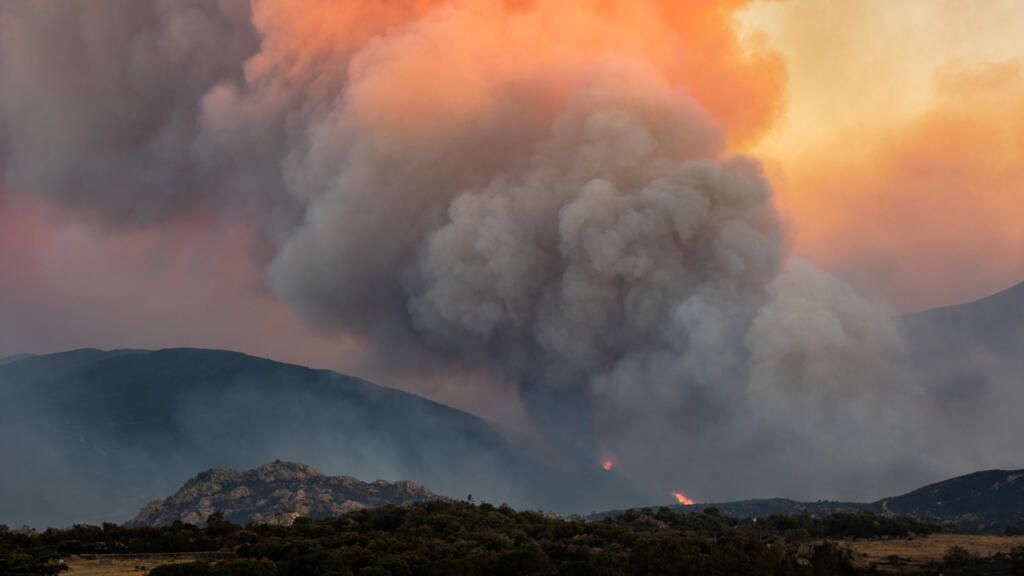
Wildfire in southern France forces evacuation of 10,000 people by Liquid (liquid/lfm2.5-1.2b)

france-wildfire.jpg


Stage 1: Summary

A wildfire in southern France has forced the evacuation of over 10,000 people as temperatures soar during an early summer heatwave. The fire, burning near the French-Spanish border in the Pyrenees, has consumed at least 4,600 hectares and is spreading rapidly due to strong winds. Authorities urge residents to stay away from the Tour de France race finale to allow emergency access. Temperatures are expected to remain high, increasing wildfire risks. This event highlights the growing impact of climate change on Europe’s weather patterns.


Stage 2: Future Extrapolation

Based on the provided summary and broader context of current and historical trends in wildfire activity across Europe, several logical extrapolations can be made regarding the likely future of this story:

### 1. **Increased Frequency and Intensity of Wildfires**

The current event underscores a growing trend of wildfires in southern France and other Mediterranean regions, which are becoming more frequent and intense due to climate change. As global temperatures rise and drought conditions persist, the likelihood of such events increasing will likely grow. This suggests that the story may evolve into a recurring seasonal or annual occurrence rather than an isolated incident.

### 2. **Expanded Geographic Scope**

The Pyrenees region is part of a broader Mediterranean zone increasingly vulnerable to wildfires. Future reports may highlight similar incidents in neighboring countries like Spain, Italy, and even parts of North Africa, indicating a regional shift in wildfire patterns.

### 3. **Enhanced Public Awareness and Policy Response**

As wildfires become more common, governments and international bodies are likely to intensify their focus on fire prevention, early warning systems, and emergency preparedness. This could lead to increased funding for forest management, improved monitoring technologies, and stricter land-use policies in fire-prone areas.

### 4. **Climate Change as a Central Theme**

The summary explicitly ties the event to climate change. In the coming years, this story may become emblematic of the broader narrative around climate-induced environmental crises. It could be referenced in discussions about adaptation strategies, carbon neutrality goals, and international climate agreements.

### 5. **Impact on Tourism and Economy**

The evacuation of 10,000 people during a major event like the Tour de France finale highlights the economic and social costs of wildfires. Future coverage may explore how such incidents affect local economies, tourism, and community resilience, especially in regions reliant on outdoor activities.

### 6. **Technological and Scientific Advancements**

As wildfires become more frequent, there will likely be greater investment in satellite monitoring, AI-based fire prediction models, and rapid response technologies. This could lead to more accurate forecasting and faster containment efforts, reducing the human and environmental toll.

### Conclusion:

The likely future of this story is one of escalating frequency and complexity, with increasing emphasis on climate adaptation, regional cooperation, and technological innovation. The event will serve as a critical case study in understanding how climate change is reshaping Europe’s environmental landscape and prompting urgent policy and societal responses.

Saturday, July 4, 2026

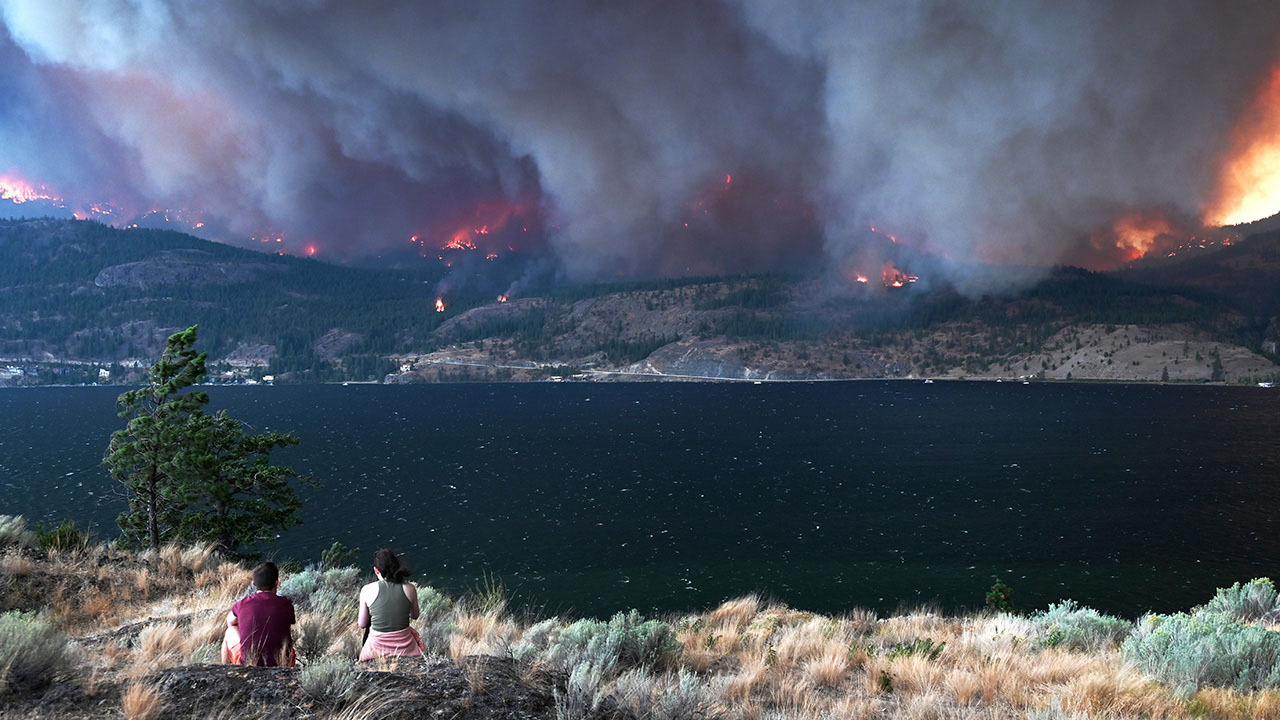
What’s behind all the wild weather in Canada this summer? by liquid/lfm2.5-1.2b

1_TheYearForRecordWildfires_1280x720.jpg

Stage 1: Summary

**Summary:**

Canada is experiencing a series of extreme weather events this summer, including intense storms in Western Canada causing flooding (especially in Manitoba), heat waves and thunderstorms across Ontario, Quebec, and British Columbia, and wildfires in the north. Scientists attribute these conditions to the ongoing El Niño phenomenon, which is expected to be particularly strong this year.

The jet stream’s behavior is influencing the weather patterns, leading to a mix of droughts and heavy rains across different regions. Experts warn that climate change may intensify such events, making summers hotter and more unpredictable. Preparation and staying informed are crucial for Canadians facing these challenges.


Stage 2: Future Extrapolation

The likely future of this story centers around the intensification and increasing frequency of extreme weather events in Canada as a result of ongoing climate change and shifting atmospheric patterns. Based on the current trajectory outlined in the summary, several key trends and outcomes can be anticipated:

1. **Escalation of Extreme Weather:** The continued influence of El Niño, combined with a more erratic jet stream, is likely to lead to more frequent and severe weather extremes—intense storms, prolonged heat waves, and unpredictable precipitation patterns. This will place greater strain on infrastructure, agriculture, and emergency services across the country.

2. **Regional Disparities:** While some regions may face flooding and heavy rainfall (such as Manitoba), others—particularly in the Prairies and northern territories—will continue to grapple with drought and wildfire risks. This uneven impact will exacerbate regional inequalities and challenge resource allocation.

3. **Climate Adaptation Measures:** Governments and communities are expected to invest more heavily in climate resilience strategies, including improved flood defenses, fire management systems, and heatwave preparedness programs. International cooperation on climate adaptation will likely gain momentum.

4. **Public Awareness and Policy Shifts:** As the frequency and severity of these events become more apparent, public demand for stronger climate action and policy reform is likely to rise. This could lead to increased funding for environmental research, stricter emissions regulations, and greater emphasis on sustainable development.

5. **Scientific Consensus Strengthening:** With each passing season, the scientific community’s understanding of these patterns will deepen, reinforcing the link between global warming and regional climate anomalies. This could result in more authoritative forecasts and policy recommendations.

**Implications:**

The story is likely to evolve into a broader narrative about Canada’s vulnerability to climate-driven extremes and the urgent need for adaptive strategies. Over time, this could reshape national discourse on sustainability, influence electoral politics, and drive innovation in green technologies. The coming years will be critical in determining whether these challenges are met with proactive solutions or if they escalate into more profound socio-economic disruptions.

In summary, the future of this story appears to hinge on the pace of climate action, public engagement, and the ability of governments and communities to adapt to an increasingly volatile weather system.

Brutal heat cancels Fourth of July events, from DC to Philadelphia by liquid/lfm2.5-1.2b


Introduction heatwave, global warming
istockphoto-1332108668-612x612.jpg

Stage 1: Summary

Brutal heat forced the cancellation of Fourth of July events in Washington, DC, and Philadelphia, with organizers prioritizing safety over the holiday. The National Mall fair was closed for several hours due to record-breaking temperatures, resulting in at least 11 heat-related hospitalizations.

The DC Fire and EMS treated multiple heat-related illnesses, and officials urged precautions. Meanwhile, other cities like New York City and parts of Canada experienced extreme heat, with warnings of severe weather. Climate experts note that such events are becoming more frequent due to human-induced climate change.


Stage 2: Future Extrapolation

Based on the provided summary and broader context, the likely future trajectory of this story centers around **increasing frequency and severity of extreme heat events disrupting public celebrations**, particularly during major national holidays like the Fourth of July. Here’s a reasoned extrapolation:

### 1. **Escalating Climate Impacts**

The current situation reflects a pattern where climate change is intensifying heatwaves globally. As temperatures rise, public events—especially those tied to seasonal traditions—will face greater risks of heat-related health impacts. This will likely lead to more frequent cancellations or modifications of large-scale outdoor gatherings in the U.S. and beyond.

### 2. **Policy and Infrastructure Adaptation**

Governments and event organizers are expected to adopt more robust heat mitigation strategies. This could include:

- Mandatory cooling zones at public events

- Expanded use of shaded areas and hydration stations

- Real-time heat alerts integrated into event planning

Such adaptations may become standard, reducing the likelihood of large-scale cancellations in the future.

### 3. **Public Health Awareness**

The high number of heat-related hospitalizations underscores a growing public health concern. Over time, this could lead to:

- Increased investment in emergency preparedness for extreme weather

- Greater emphasis on climate resilience in urban planning

- Public demand for safer, more sustainable event management

### 4. **Regional Variability**

While the U.S. is experiencing record-breaking heat, other regions—such as Canada and parts of Europe—are also facing similar challenges. This suggests a global trend where extreme weather events are becoming more common, further complicating the future of outdoor celebrations.

### 5. **Potential for Policy Shifts**

If climate change continues to accelerate, we may see:

- National or international policies mandating heat safety protocols for public gatherings

- Increased funding for research into climate impacts on public health and infrastructure

- A shift in how societies plan for large-scale events in a warming world

### Conclusion

The likely future is one of **increased caution and adaptation** around major public events during extreme heat. While the Fourth of July may remain a cherished holiday, its execution will increasingly prioritize safety, with long-term implications for urban planning, public health policy, and climate resilience strategies. The story will likely evolve from a temporary disruption to a recurring challenge shaped by the realities of a warming planet.